
 Posted on
by
Posted on
by  0 Comments
Eggplant; that beautiful purple (usually) or black vegetable that is super versatile but also sometimes misunderstood. You see the thing with eggplant is that you have to cook it properly or the shiny skin will turn into an inedible rubbery thing. This comprehensive guide will tell you everything you need to know about preparing eggplant. How to roast eggplant it, how to slice eggplant, and how to cook it on the grill, in the oven, or in a pan.

Table of contents
What is eggplant?
Eggplant – also sometimes called aubergine, depending on where you live – is a member of the nightshade family and is therefore not eaten by some people who are sensitive to it. The official name for eggplant is Solanum melongena. For more information on the history of eggplant and its origin, check out this post. Eggplant is officially a fruit but since it is always used as a vegetable I will place it under vegetables! Today we are going to talk about preparing eggplant and what you should and should not do.
When is eggplant in season?
Eggplant is usually in season from July to October in Europe. In the United states it might be a bit later but largely depending on your location. After the typical season, you can still get it, but it often comes from Morocco or Spain. If you buy them in season, they are tastier, contain more nutrients and are more sustainable from your own country.
Preparing eggplant
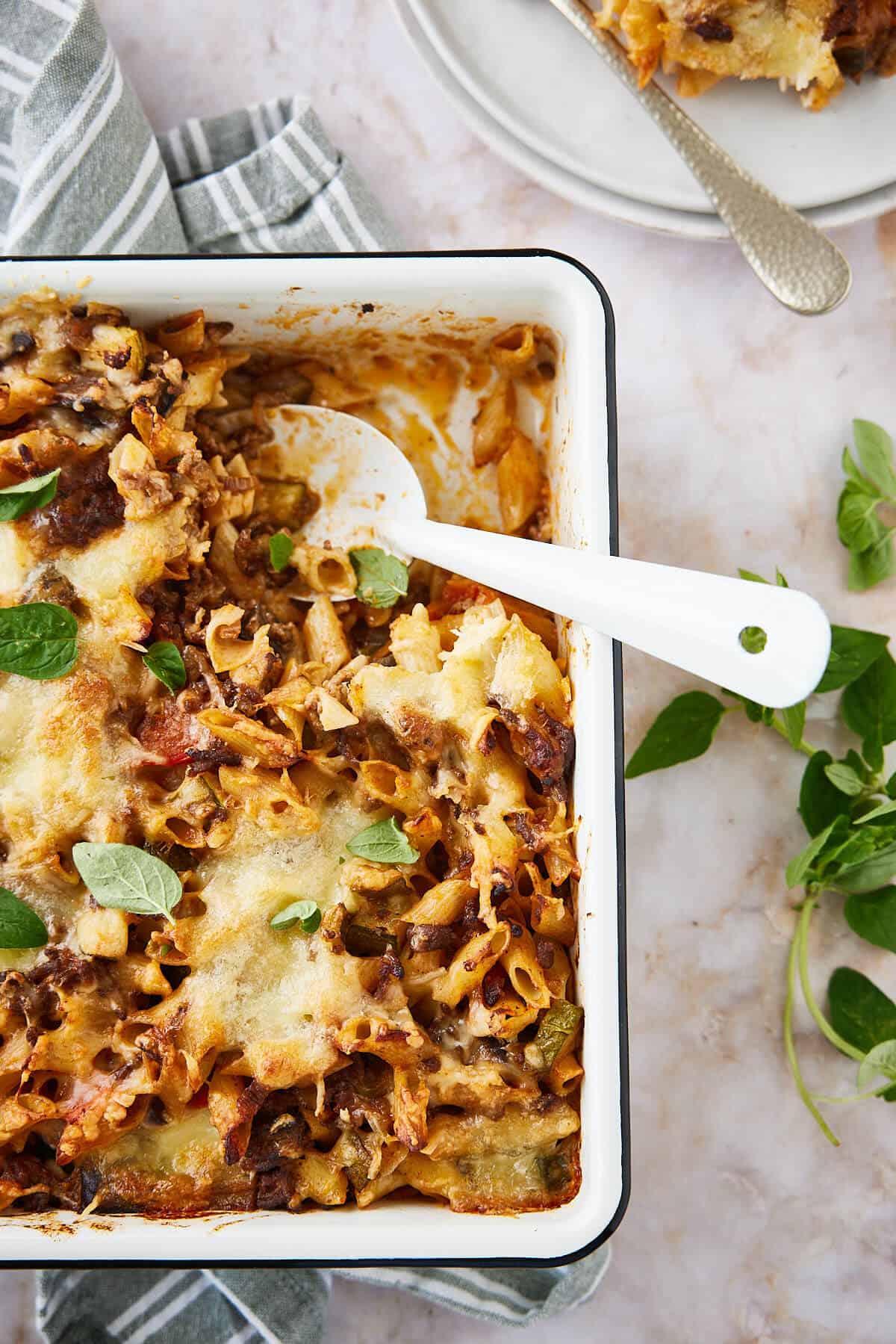
The very first time I cooked eggplant was in an oven dish with pasta. I don’t remember exactly how I did it, but the eggplant was not very tasty. The skin was tough and rubbery, and although the flesh was soft, I didn’t think it was a success. It was clearly not supposed to be like that. So I did not transfer into an eggplant lover right away.
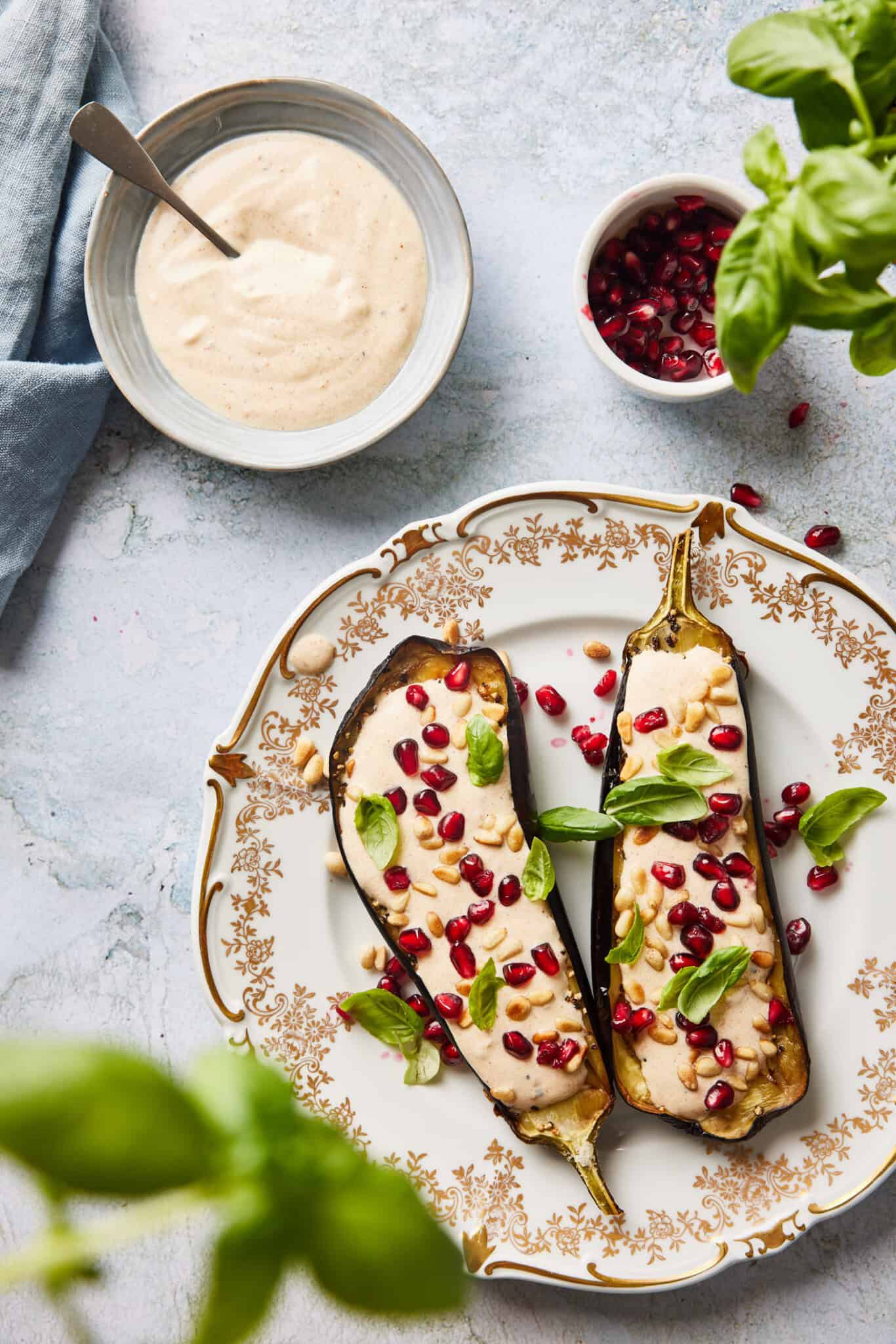
I avoided eggplant for a while because I wasn’t sure how to prepare it and didn’t think it was all that tasty anyway. Until I was served baba ghanoush somewhere. Wow! Was that eggplant too? My interest was piqued, and I tried several ways to tame the purple fruit. In this – comprehensive – article, you will find all the tips and tricks you need to get the most out of your eggplant! Use the table of contents above to quickly and easily navigate between the different sections. And of course if you’re looking for delicious recipes be sure to check out the master of eggplant cooking, Yotam Ottolenghi.
Cooking eggplant – what is the best way?
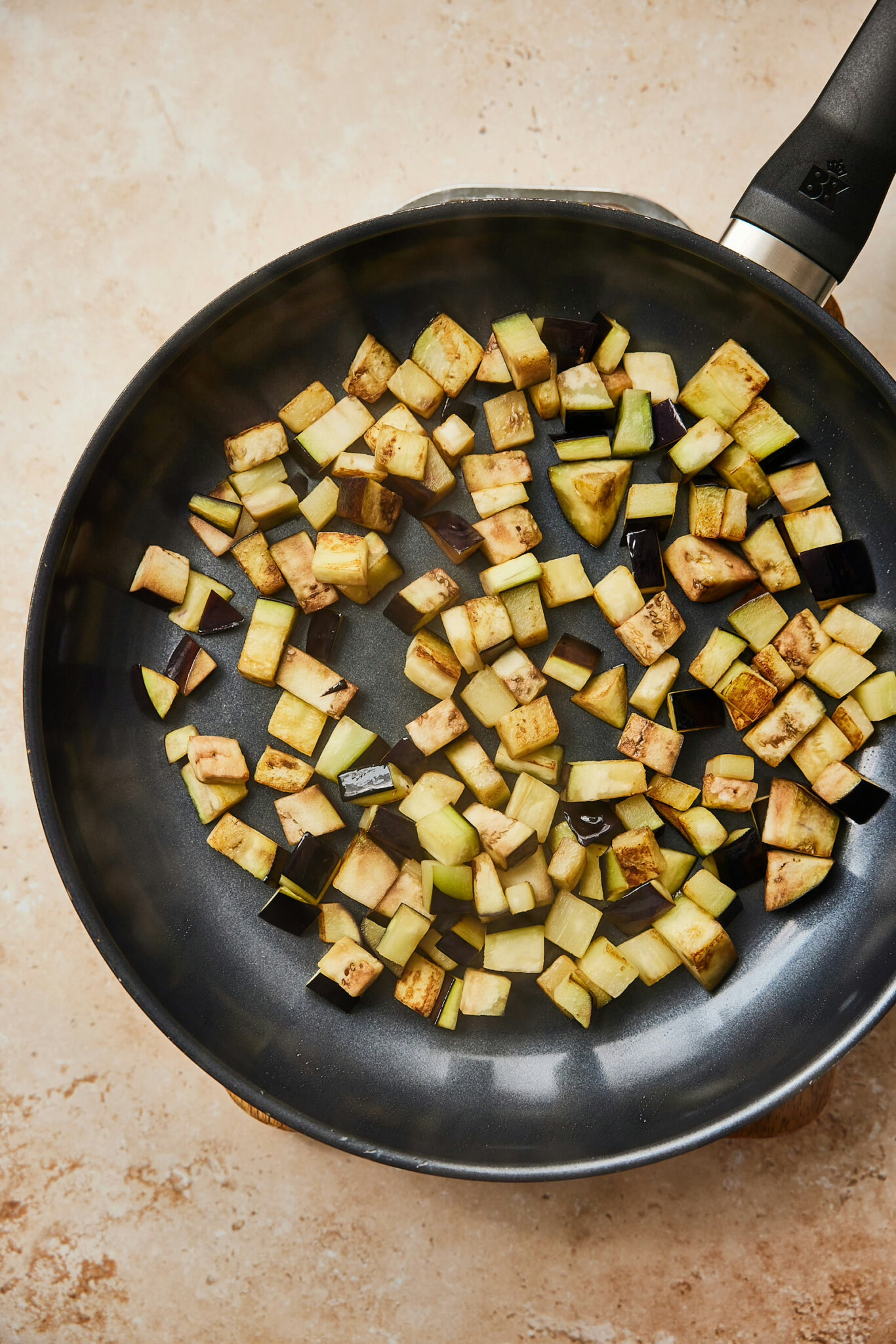
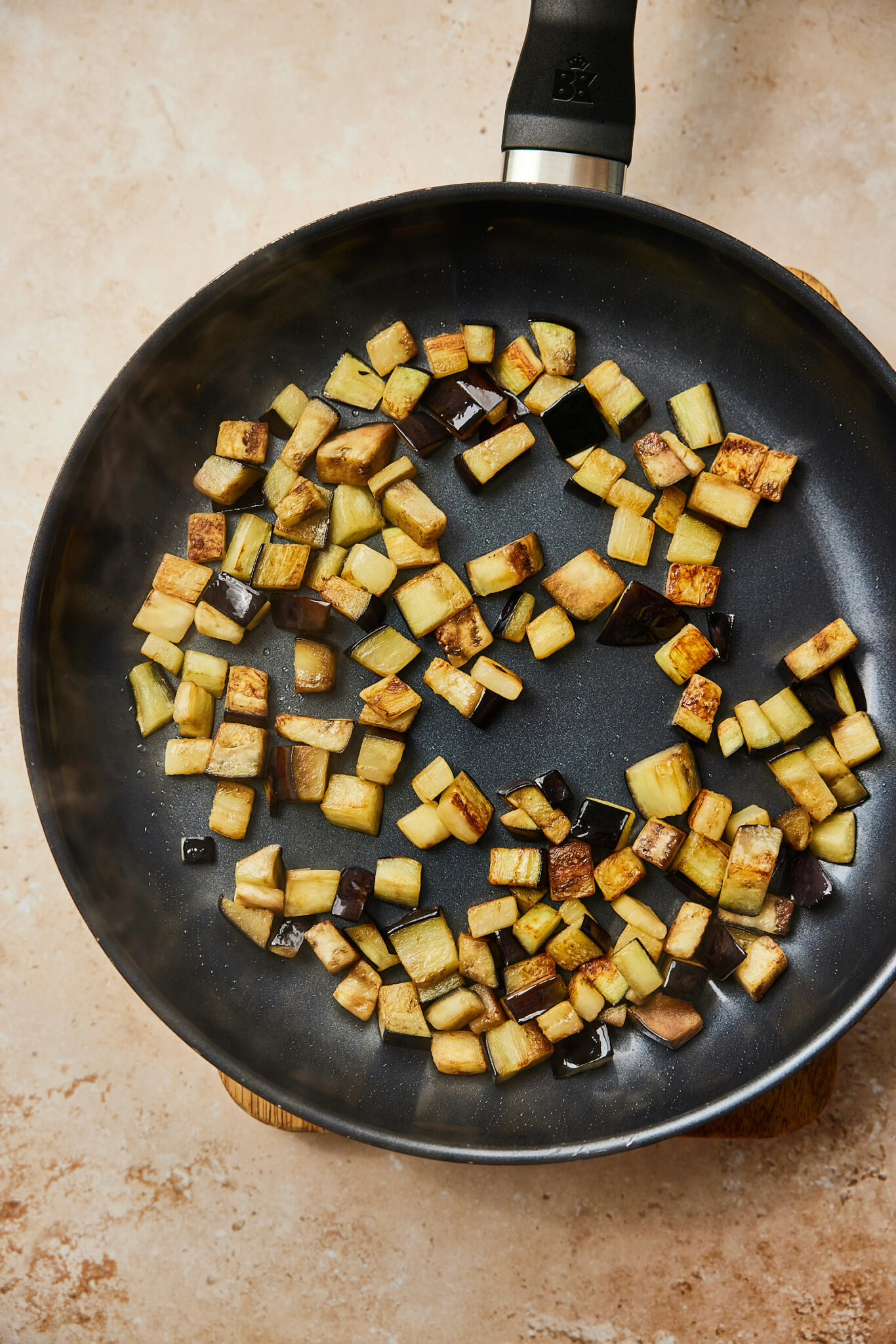
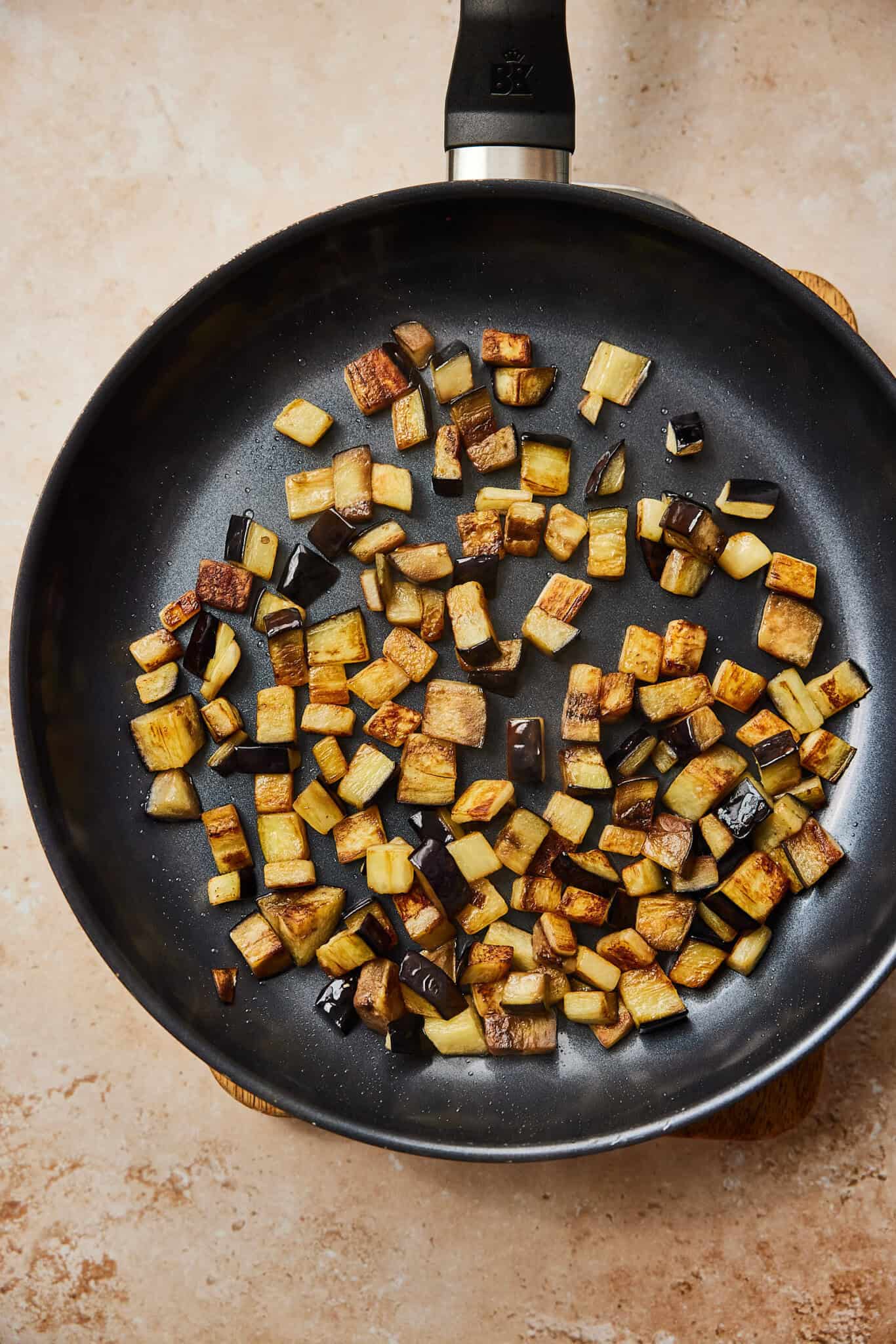
Cooking eggplant on the stove (sautée) is probably the most common way to prepare it. Eggplant is a kind of sponge, so it absorbs a lot of olive oil when you bake it. You can partially avoid this by salting the eggplant first (more on that later), but it also helps to sauté it in a good non-stick pan. I add 2-3 tablespoons of oil and that’s usually enough to fry 1 diced eggplant. In the pan, it takes about 8 to 12 minutes for the eggplant to cook and soften. See below what it looks like after 5 minutes, 10 minutes, and 12 minutes.
Preparing Eggplant in the Oven (roasting eggplant)
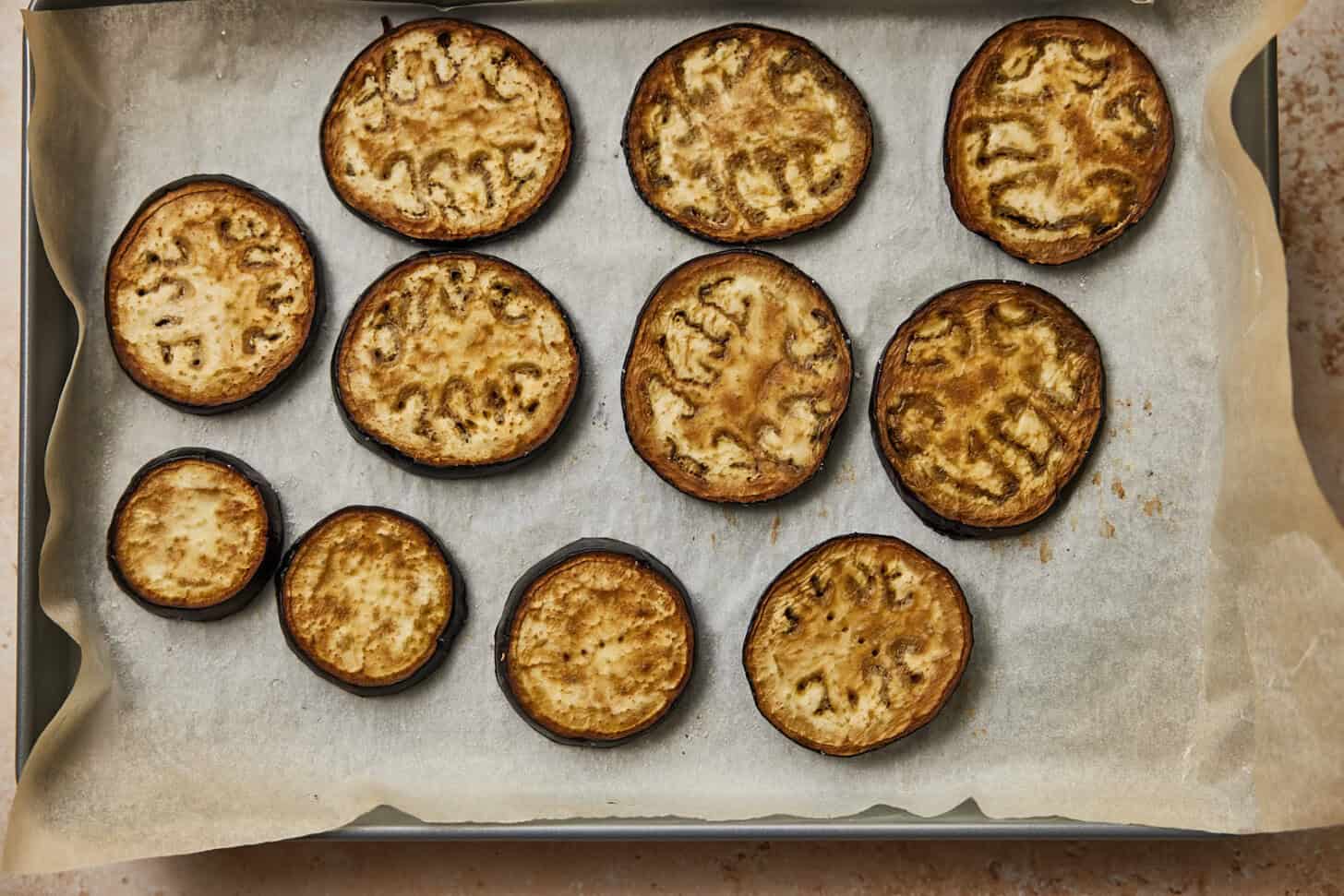
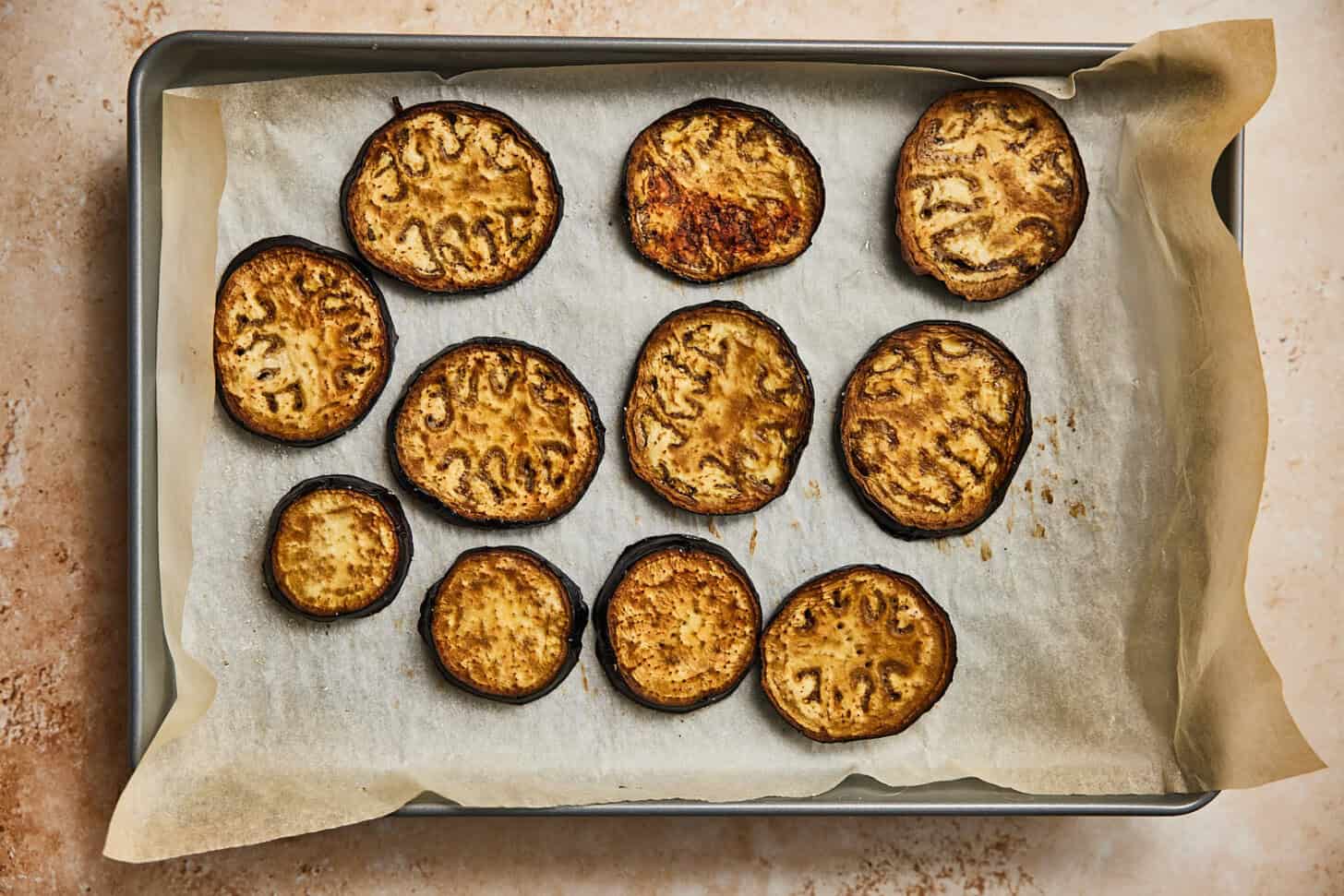
My favorite way to roast eggplant is in the oven. Then you don’t have the problem of the slices absorbing too much liquid, and especially if you’re making a casserole, the oven is on anyway. Cut the eggplant into slices about half an inch thick. Sprinkle the slices with salt and brush both sides with oil. This can easily be done with a pastry brush. Place them in a single layer on a baking sheet and place in the oven at 200˚C to 225˚C. Bake for about 25 minutes until golden brown. You can check if they are done by inserting a knife into the center of the slice. It should be buttery soft.


Grilling Eggplant
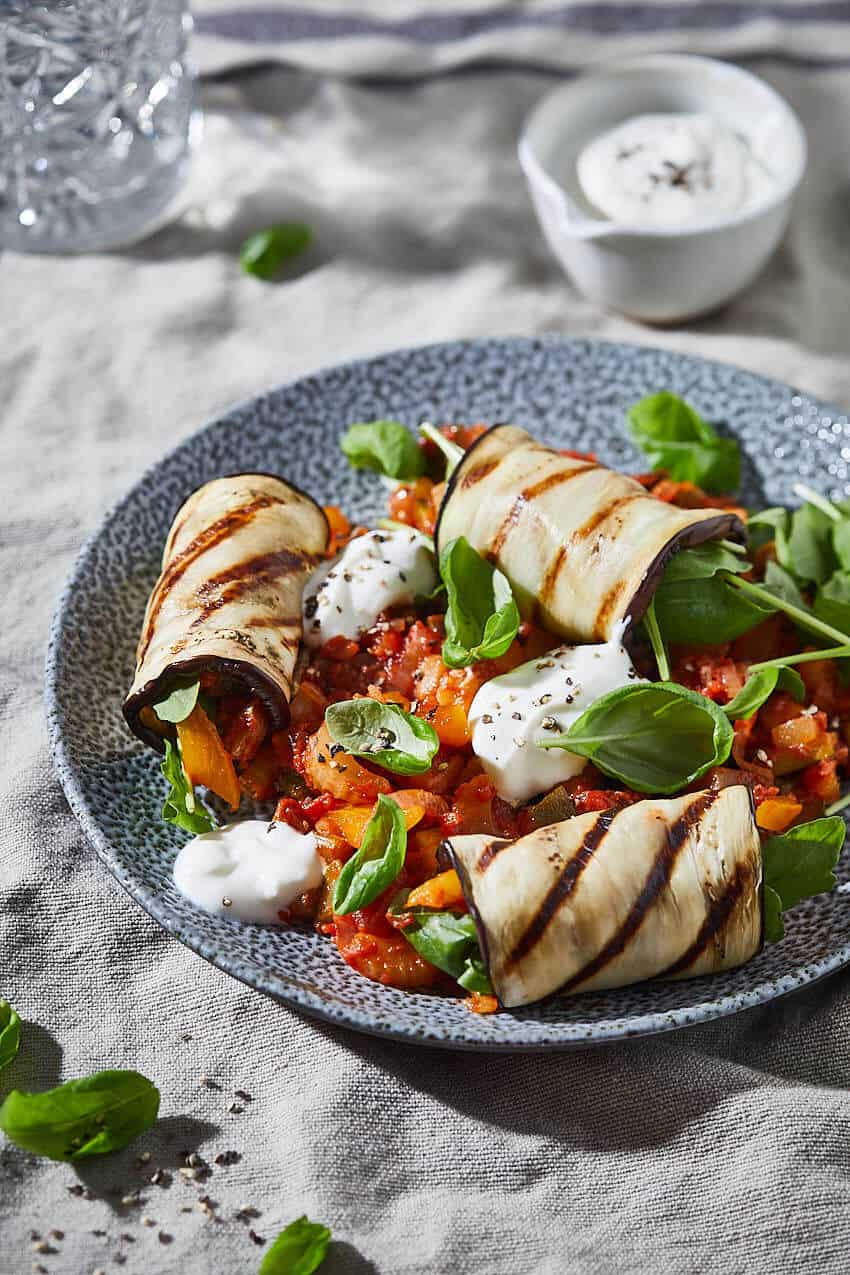
You can also grill eggplant. This can be done on a grill pan or on the barbecue. Brush both sides of the eggplant slices with a little oil and grill them for about 10 minutes or until done. You can tell if the slices are cooked or not by the texture of the slices.
In the picture below, the slice on the right is not quite done. You can see the difference in how the slices look. When cooked properly it becomes almost translucent.

Cooking the Whole Eggplant
For eggplant dishes like baba ghanoush, you often prepare a whole or eggplant halves. In this case, turn the oven on high to 225˚C. Prick the eggplant with a fork and place on a baking sheet or in a casserole dish.
Roast the eggplant for about 30-40 minutes or until blackened. Remove from the oven and scoop out the flesh from the skin. In this case, you obviously do not eat the skin.
Should I salt the eggplant first?
Many recipes call for salting the eggplant, waiting half an hour to two hours, rinsing, and then patting dry before cooking. While sprinkling eggplant with salt is still useful in some cases, it is usually not necessary.
In the past, eggplant was salted because the fruit was quite bitter. The salt removes some of the bitterness and also draws moisture from the fruit. If you are preparing older eggplants or one from your own garden, it may still be useful, but in general fresh eggplants today are not nearly as bitter.
If you have an out-of-season fruit that’s not too large or old, you don’t need to salt it.

But when is it a good idea to salt eggplant?
If you are going to fry the eggplant, then you don’t want the excess moisture in your frying fat to prevent splattering. In this case, it is useful to salt the eggplant slices first. Let them stand for a while (you will see that the salt dissolves and forms drops on the eggplant. See the photo above), rinse them and pat them dry with paper towels before putting them in the hot oil.
It can also be useful for frying in a pan to prevent the eggplant from soaking up all the oil. Salting makes them less spongy and you need less oil.
Storing Eggplant
You have purchased eggplant, but what is the best way to store it? Eggplant doesn’t like too much cold. So the refrigerator is not the best place. It’s too cold and you’re more likely to get brown spots.

Also, remove the plastic that they often come in when you buy them in the grocery store, which can cause mold because the moisture stays under the plastic wrap.
The best place is cool and dark and about 10-15˚C. This is not always practical, so if this is not possible, the vegetable drawer of your fridge is the best choice. Wrap the eggplant in paper.
Ideally, you should use an eggplant within 2-3 days to ensure the best flavor. If you keep them longer, they may become a bit spongy and tough.
Keep away from bananas
Do not store eggplant near bananas, tomatoes, or apples. These produce ethylene, which causes the eggplant to spoil more quickly.
Freezing eggplant
Want to freeze your eggplant? No problem! Cut the eggplant into slices. Blanch them in boiling water for 2-3 minutes. Drain well and allow to cool.
Then freeze them separately. The easiest way to do this is on a plate or baking sheet that will fit in the freezer. Once frozen, you can put them together in a bag or container. This will keep the eggplant for up to 6 months.
Eggplant frequently asked questions
Eggplant is generally not eaten raw. This is partly because of its texture, and also because raw eggplant contains solanine, which is toxic in large amounts.
You won’t drop dead from a little raw eggplant, but it’s better to cook it.
Eggplant goes well with garlic, basil, oregano, thyme, rosemary, cumin, and coriander. Indian cuisine in particular uses cumin and coriander, while Italians prepare eggplant with the other spices. They’re also delicious combined with fresh herbs.
Absolutely! Eggplant is delicious with firm blue cheeses such as gorgonzola, but also with gruyere or goat cheese. Eggplant parmigiana is a classic cheese rich dish. I love also making little eggplant snacks by simply roasting them in the oven with cheese on top. Simple and delicious. It’s also great combining the eggplant with feta cheese
There are quite a few eggplant species out there. Think about Japanese eggplant, or smaller eggplants like the Thai eggplant that is usually round and striped. The one that is most common is the Indian eggplant.
Eggplant recipes
There are so many delicious eggplant recipes I can think of! Below I have a small selection and be sure to check out the eggplant parmigiana!


